East Ring light sources are used across a wide range of surface and imaging inspection tasks. The sections below list common inspection needs and selection considerations by industry, as a starting point for evaluation.
Case studies
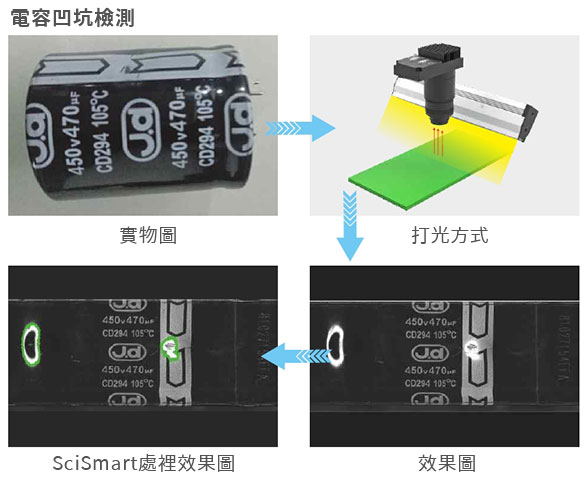
Real lighting and inspection examples: how the products are set up on site and what the captured images look like.
Applications by industry
Display panel inspection
Surface defect inspection for panel glass, polarisers and lamination processes.
Selection notes
- Large-area uniform illumination to avoid false calls from uneven brightness
- Low-angle grazing light to reveal scratches, bubbles and foreign matter
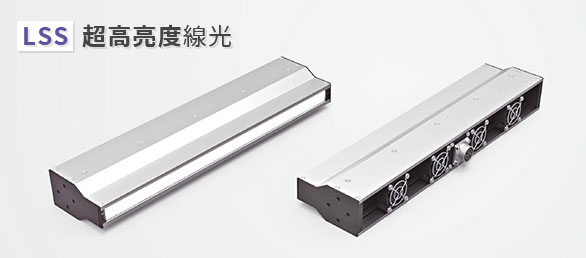
- Line lights for high-speed scanning inspection
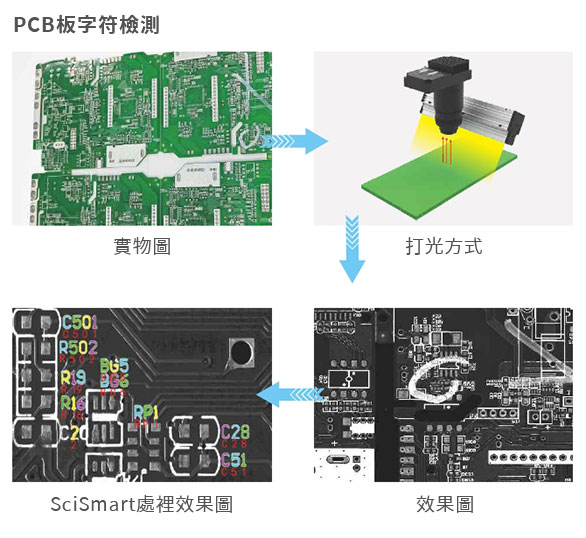
PCB visual inspection
Lighting for manual inspection and AOI support on solder joints, traces and component placement.
Selection notes
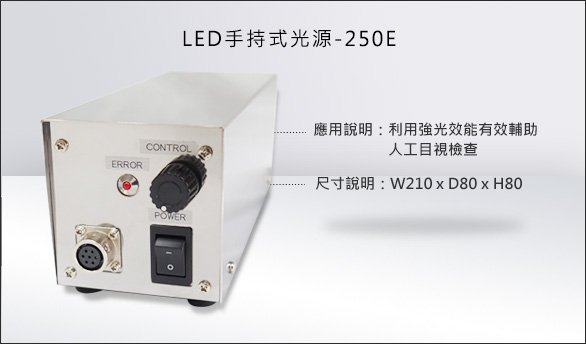
- Handheld lights for quick re-checks beside the line
- High condensing efficiency to reveal solder joint profiles
- High-CRI white light keeps colour judgement accurate
Machined metal inspection
Scratches, burrs and foreign matter on machined surfaces — controlling specular reflection is the key.
Selection notes
- Control the incident angle to avoid blow-out from specular reflection
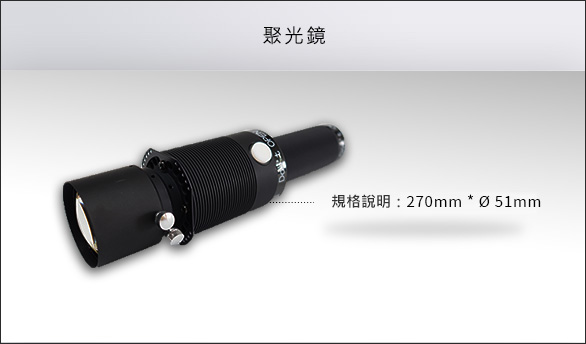
- Condenser lenses concentrate the beam for local detail
- Fibre optic light guides reach recessed internal features
UV adhesive curing
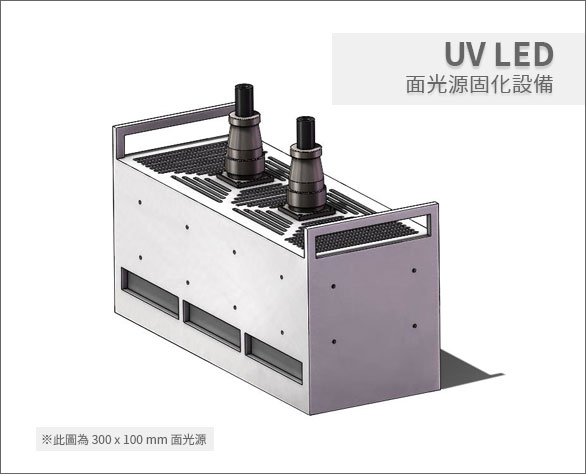
UV LED curing for roll-to-roll lines, dispensing and lamination processes.
Selection notes
- 365 / 395 / 405 nm selectable to match resin characteristics
- Line sources for continuous lines, area sources for batch work
- LED sources need no warm-up and last longer than mercury lamps
Printed surface inspection
Raised defects, ink voids and registration errors on printed surfaces.
Selection notes
- Line lights scan continuously at line speed
- Grazing illumination turns surface relief into shadow contrast
- High uniformity keeps image brightness consistent for judgement
Logistics code reading & traceability
1D / 2D barcode reading on production lines and in warehousing, for production traceability.
Selection notes
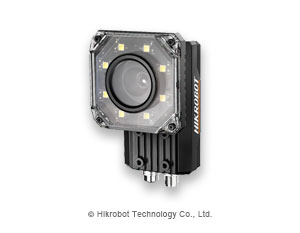
- Industrial code readers keep up with high-speed conveyors
- Reads low-contrast and damaged codes
- Integrates with line control systems to build traceable production records
Not seeing your inspection task?
Tell us the material, the defect type and your line conditions, and our engineers will give you a concrete recommendation.